
Minimum focusing distance and magnification ratio
Minimum focusing distance (MFD) and magnification ratio are the two characteristics that actually define a macro lens — far more than its focal length or aperture.
MFD is measured from the sensor plane (often marked with a Φ symbol on the camera body) to the subject, not from the front of the lens. What actually matters in the field is the working distance: the real gap between the front of the lens (or its hood) and the subject. It depends on the physical length of the lens and shrinks as you approach minimum focus.
Magnification ratio compares the size of the image projected onto the sensor to the subject's real size: at 1:1, a 10mm subject occupies 10mm on the sensor — this is "true macro". Below that (0.3x, 0.5x), you're in close-up/proxy territory; above it (1.4:1, 2:1), you're in extreme macro, which demands more from depth of field and lighting.
For the same magnification ratio, a longer focal length gives a longer working distance — valuable for not spooking a live subject — while a shorter focal length forces you closer, in exchange for a different perspective and better integration of the surroundings.
Wide-angle proxy photography
Some wide-angle, even ultra-wide-angle lenses have a high enough magnification ratio to focus very close to the subject while keeping a very wide field of view. The result: the subject stays sharp and well-defined in the foreground while its environment is revealed behind it — an approach nature photographers call "wide-angle proxy", distinct from tight classic macro.
It's a style particularly suited to large subjects (reptiles, big insects, mushrooms in their setting) where showing the context matters as much as the detail. The trade-off is having to get very close to the subject — which makes the flash and its diffuser all the more essential to compensate for the shadow the lens itself casts on the subject. And above all, the key to good diffusion is proximity to the subject!
Sharpness and peak aperture
Beyond minimum focusing distance and magnification ratio, a lens's sharpness remains critical to the final image quality — it's what gives that sense of crisp detail and texture you're after in macro. No lens is equally sharp across its whole aperture range: most optics reach peak sharpness one to two stops down from maximum aperture, before losing sharpness again as diffraction sets in (see our article on choosing your aperture in macro).
This peak aperture varies from lens to lens, sometimes even from one focal length to another on the same zoom. Rather than relying solely on manufacturer specs, it's worth checking the many lens tests available online (MTF benchmark charts, comparisons between versions or between brands) to know exactly which aperture range gets the best out of your particular lens.
Macro lenses by brand
Native, by mount
| Brand/mount | Model | Ratio | Aperture | Min. focus |
|---|---|---|---|---|
| Canon RF | RF 35mm f/1.8 Macro IS STM | 1:2 | f/1.8 | 17 cm |
| Canon RF | RF 85mm f/2 Macro IS STM | 1:2 | f/2 | 35 cm |
| Canon RF | RF 100mm f/2.8L Macro IS USM | 1.4:1 | f/2.8 | 26 cm |
| Fujifilm X | XF 80mm f/2.8 R LM OIS WR Macro | 1:1 | f/2.8 | 25 cm |
| Nikon Z | Nikkor Z MC 50mm f/2.8 | 1:1 | f/2.8 | 16 cm |
| Nikon Z | Nikkor Z MC 105mm f/2.8 VR S | 1:1 | f/2.8 | 29 cm |
| OM System/M4/3 | M.Zuiko ED 30mm f/3.5 Macro | 1.25:1 | f/3.5 | 9.5 cm |
| OM System/M4/3 | M.Zuiko ED 60mm f/2.8 Macro | 1:1 | f/2.8 | 19 cm |
| OM System/M4/3 | OM System 90mm f/3.5 Macro IS PRO | 2:1 | f/3.5 | 22.4 cm |
| Panasonic (M4/3) | Leica DG Macro-Elmarit 45mm f/2.8 | 1:1 | f/2.8 | 15 cm |
| Panasonic (L-mount) | Lumix S 100mm f/2.8 Macro | 1:1 | f/2.8 | 20.4 cm |
| Pentax K | HD PENTAX-D FA 100mm F2.8 Macro WR | 1:1 | f/2.8 | 30.3 cm |
| Sony E | E 30mm f/3.5 Macro (APS-C) | 1:1 | f/3.5 | 9.5 cm |
| Sony E | FE 50mm f/2.8 Macro | 1:1 | f/2.8 | 16 cm |
| Sony E | FE 90mm f/2.8 Macro G OSS | 1:1 | f/2.8 | 28 cm |
Third-party, cross-mount
| Brand | Model | Mounts | Ratio | Aperture | Min. focus | AF |
|---|---|---|---|---|---|---|
| Irix | 150mm f/2.8 Macro Dragonfly | EF/F/Pentax K/Sony E | 1:1 | f/2.8 | 34.5 cm | Manual |
| Laowa | 25mm f/2.8 2.5-5x Ultra Macro | Nearly all mounts | 2.5x–5x | f/2.8 | 18.5 cm | Manual |
| Laowa | 58mm f/2.8 2X Ultra-Macro APO | Sony E/RF/Z/L | 2:1 | f/2.8 | 18.5 cm | Manual |
| Laowa | 100mm f/2.8 2x Ultra Macro APO | Nearly all mounts | 2:1 | f/2.8 | 23.5 cm | Manual |
| Samyang | 100mm f/2.8 ED UMC Macro | EF/F/Sony E/Fuji X/M4/3 | 1:1 | f/2.8 | 30.7 cm | Manual |
| Sigma | 70mm f/2.8 DG Macro Art | EF/F/L/Sony E | 1:1 | f/2.8 | 25.8 cm | Auto |
| Sigma | 105mm f/2.8 DG DN Macro Art | Sony E/L-mount | 1:1 | f/2.8 | 29.5 cm | Auto |
| Tamron | 90mm f/2.8 Di III Macro VXD | Sony E/Nikon Z | 1:1 | f/2.8 | 23 cm | Auto |
| Tokina | atx-i 100mm F2.8 FF Macro | Canon EF/Nikon F | 1:1 | f/2.8 | 30 cm | Auto |
| Voigtländer | Macro APO-Lanthar 65mm f/2 | Sony E/Nikon Z | 1:2 | f/2 | 31 cm | Manual |
| Voigtländer | Macro APO-Lanthar 110mm f/2.5 | Sony E/Nikon Z | 1:1 | f/2.5 | 34.8 cm | Manual |
| Zeiss | Milvus 100mm f/2M Makro-Planar | Canon EF/Nikon F | 1:2 | f/2 | 44 cm | Manual |
Wide-angle/proxy lenses by brand
Native, best magnification ratios
| Brand/mount | Model | Ratio | Aperture | Min. focus |
|---|---|---|---|---|
| Canon RF | RF 7-14mm F2.8-3.5L Fisheye STM | 0.35x | f/2.8-3.5 | 15 cm |
| Canon RF | RF 14-35mm F4L IS USM | 0.38x | f/4 | 20 cm |
| Canon RF | RF 24mm f/1.8 Macro IS STM | 1:2 (0.5x) | f/1.8 | 14 cm |
| Canon RF | RF 24-105mm F4-7.1 IS STM (macro mode) | 0.5x | f/4-7.1 | 20 cm |
| Fujifilm X | XF 16mm f/2.8 R WR | 0.24x | f/2.8 | 17 cm |
| Nikon Z | Nikkor Z 24-120mm f/4 S | 0.39x | f/4 | 35 cm |
| OM System/M4/3 | M.Zuiko ED 12-40mm F2.8 PRO II | 0.3x (0.6x equiv.) | f/2.8 | 20 cm |
| Panasonic L-mount | Lumix S 18mm f/1.8 | 0.20x | f/1.8 | 20 cm |
| Sony E | FE 16-35mm F2.8 GM II | 0.32x | f/2.8 | 22 cm |
| Sony E | FE 24-70mm F2.8 GM II | 0.32x | f/2.8 | 21 cm |
Third-party, best magnification ratios
| Brand | Model | Mounts | Ratio | Aperture | Min. focus | AF |
|---|---|---|---|---|---|---|
| Laowa | 8-15mm f/2.8 FF Zoom Fisheye | Sony E/Z/RF/L/GFX/Hasselblad X | 0.23x | f/2.8 | 16 cm | Manual |
| Laowa | 15mm f/4 Wide Angle Macro (shift) | EF/RF/F/Z/Sony E/Pentax K/L | 1:1 (1.0x) | f/4 | 12 cm | Manual |
| Laowa | 15mm f/4.5 Zero-D Wide Angle Macro | Sony E/Nikon Z/Canon RF/L | 1:2 (0.5x) | f/4.5 | 15 cm | Manual |
| Sigma | 24-70mm F2.8 DG DN II Art | Sony E/L-mount | ≈0.34x | f/2.8 | ≈18 cm | Auto |
| Tamron | 20mm f/2.8 Di III OSD M1:2 | Sony E | 1:2 (0.5x) | f/2.8 | 11 cm | Auto |
| Tamron | 24mm f/2.8 Di III OSD M1:2 | Sony E | 1:2 (0.5x) | f/2.8 | 12 cm | Auto |
| Tamron | 35mm f/2.8 Di III OSD M1:2 | Sony E | 1:2 (0.5x) | f/2.8 | 15 cm | Auto |
The lenses I use
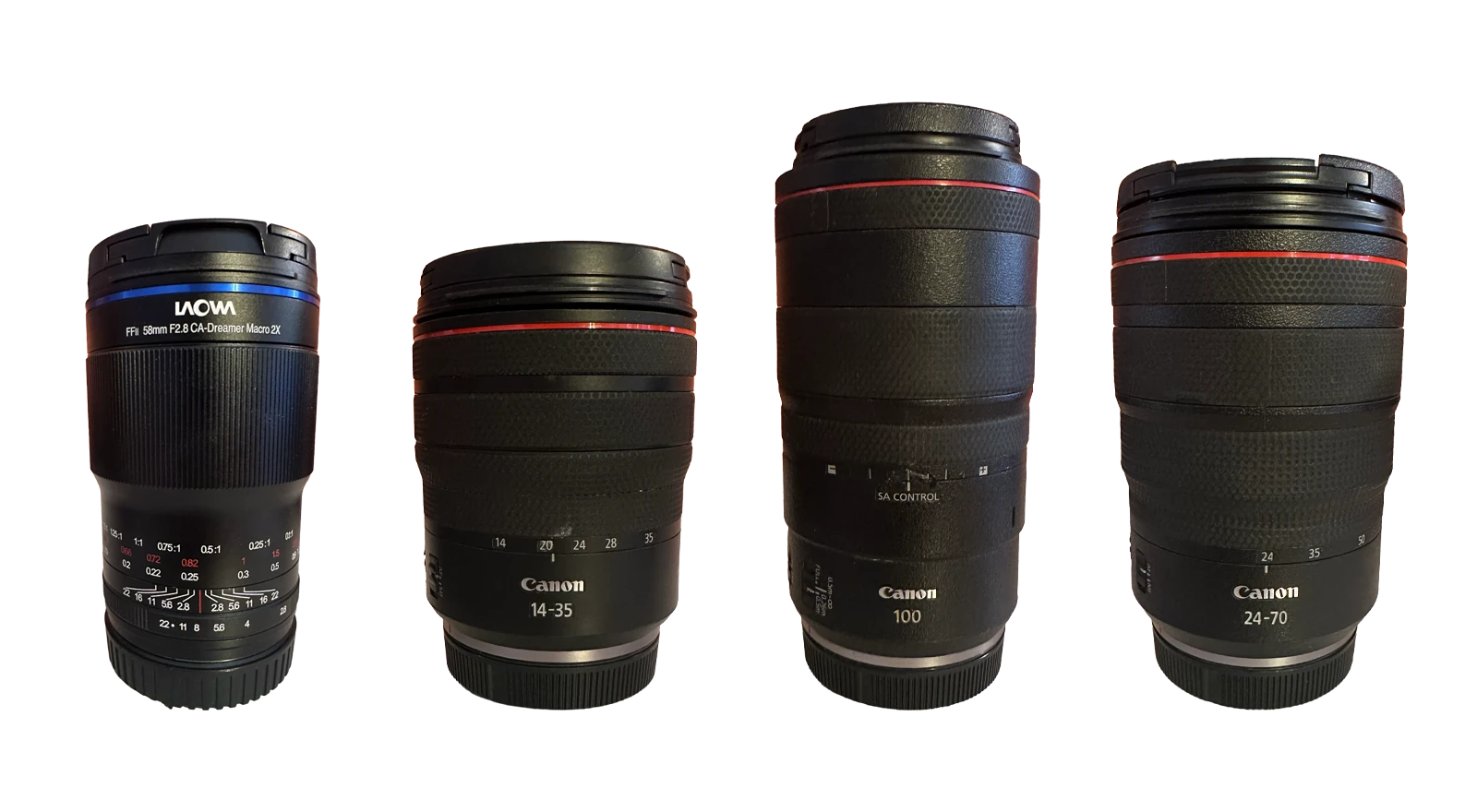
Canon RF 100mm f/2.8L Macro IS USM — a lens that never leaves my bag. I kept the EF version from 2012 to 2021; the RF is its natural evolution, with equivalent sharpness but a wildly fast autofocus that saves me a lot of time in the field — I start with AF, then fine-tune manually if needed. The stabilization is very pleasant, and its 1.4x magnification ratio comes in handy in certain situations.
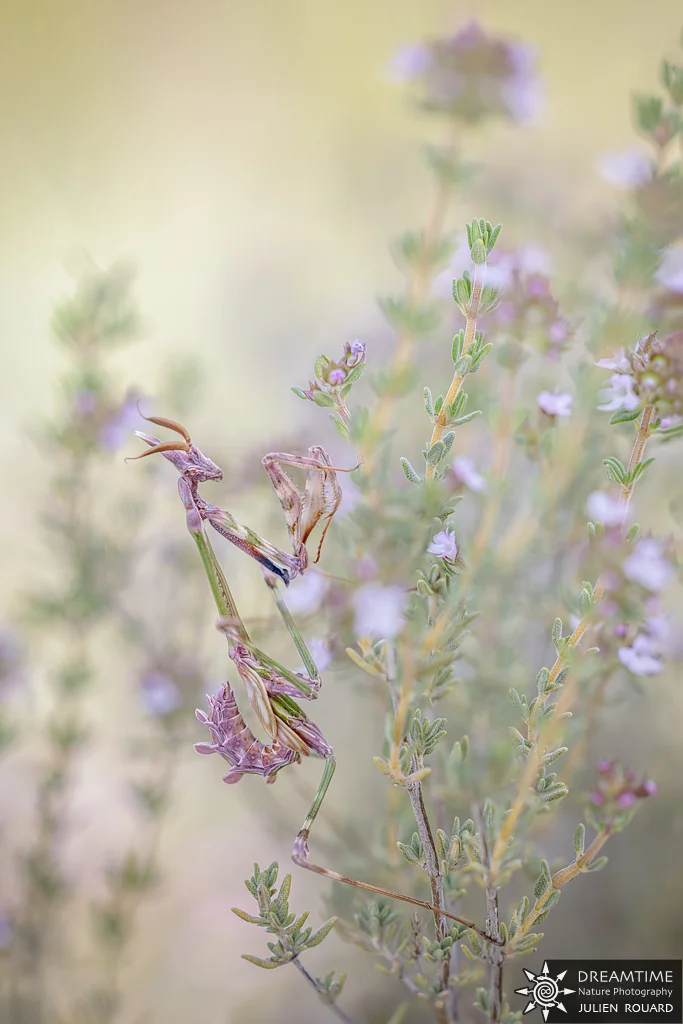
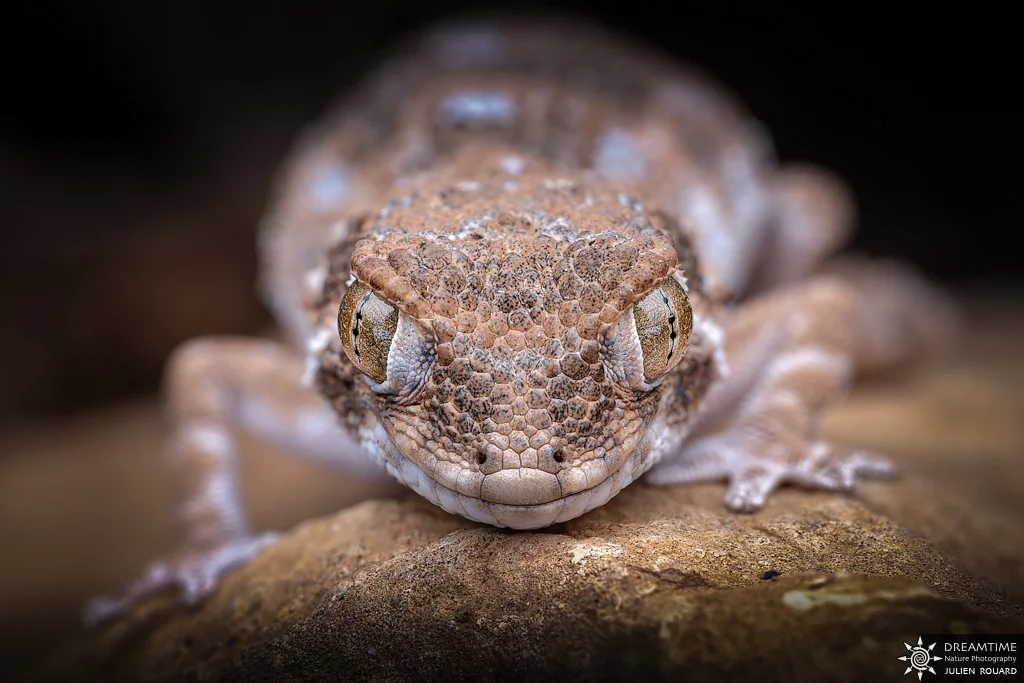
Canon RF 24-70mm f/2.8L IS USM — a zoom that serves me equally well for landscapes and wide-angle proxy work. Its magnification ratio is nothing special, but on very large subjects it lets you get close enough for great diffusion, with monstrous sharpness for a standard zoom.
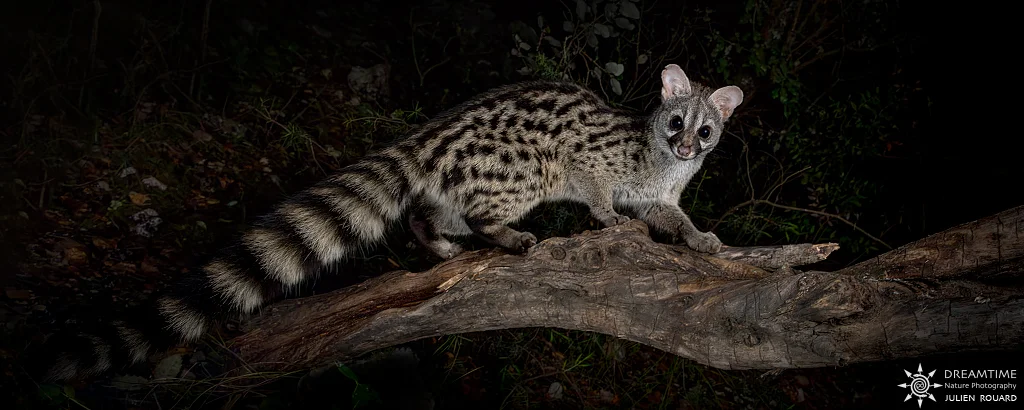
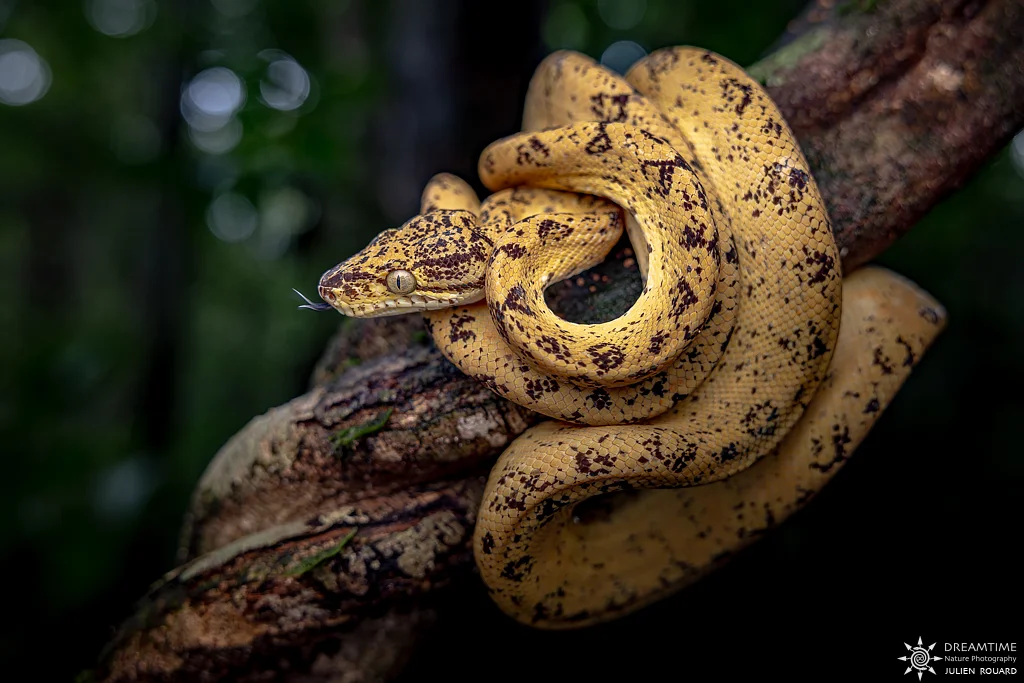
Canon RF 14-35mm f/4L IS USM — an ultra-wide-angle that gives original shots of medium to very large subjects. I use it more and more while traveling, on snakes or large insects.
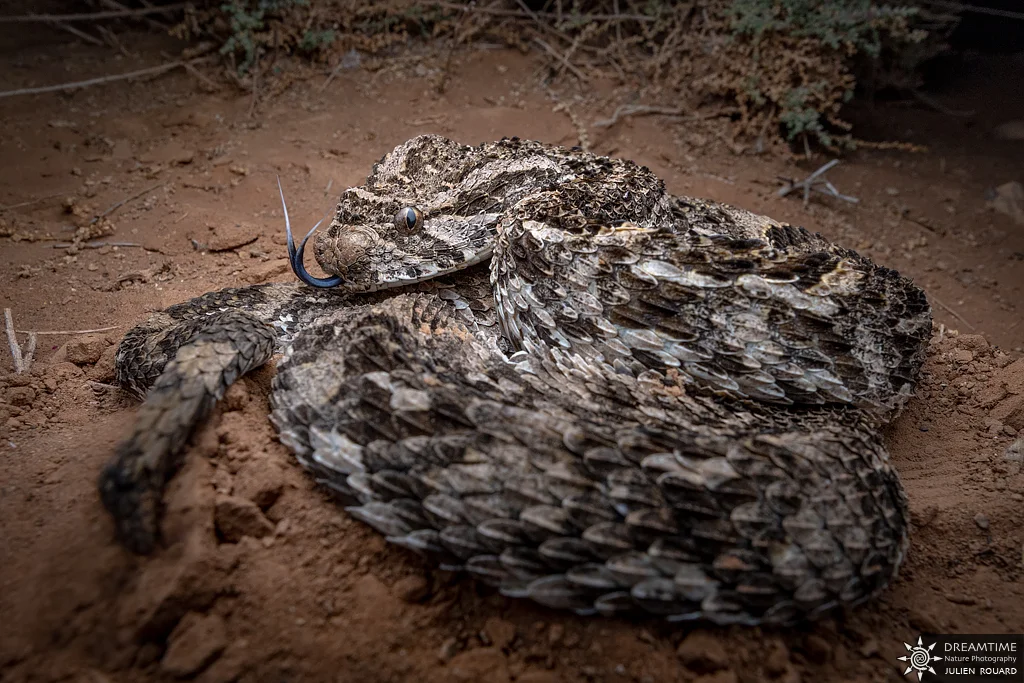
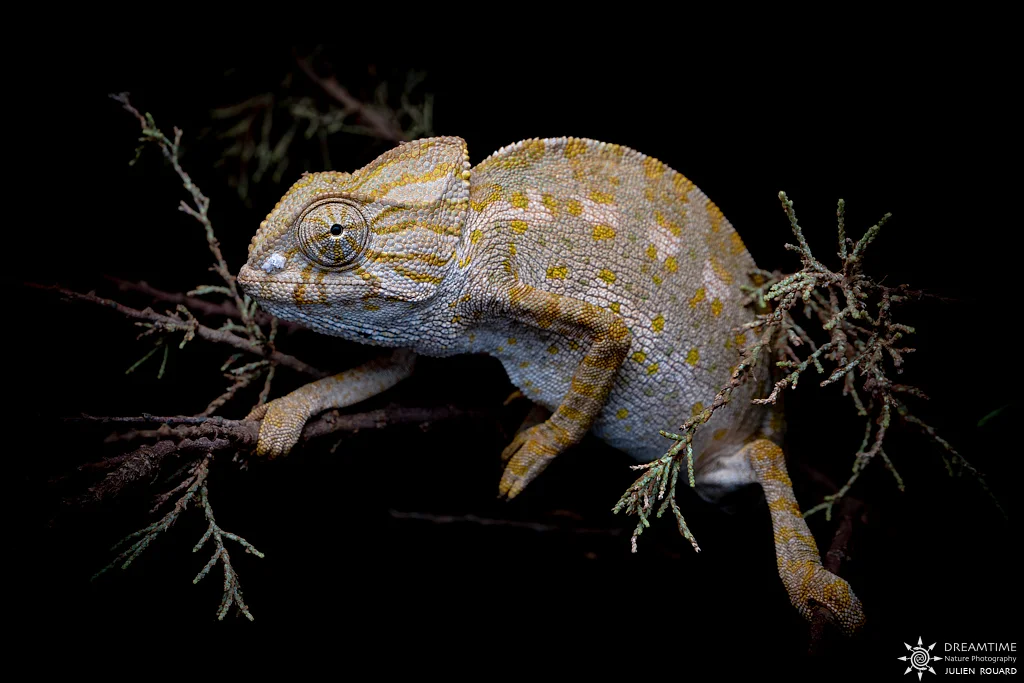
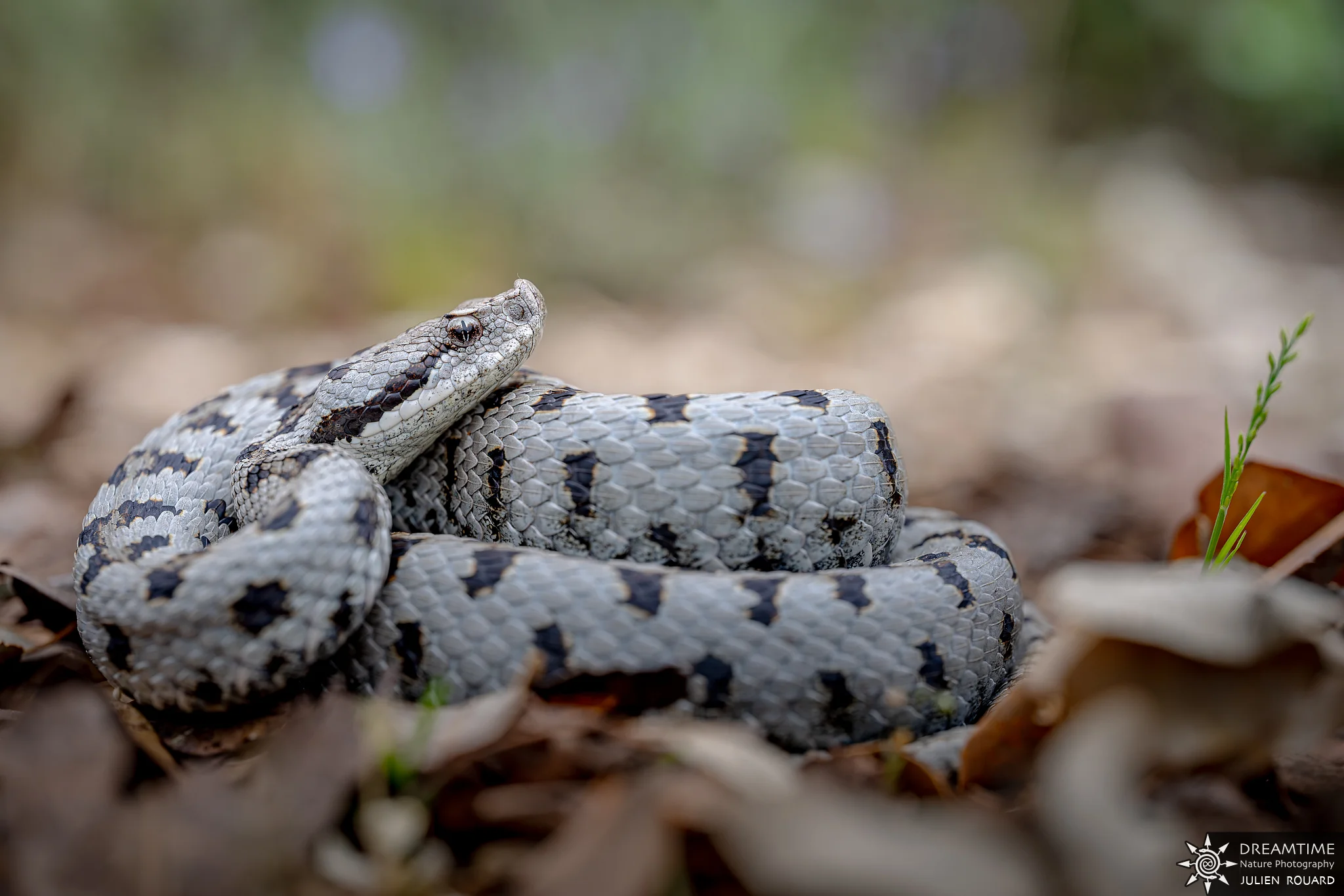
Laowa 58mm f/2.8 2x Ultra Macro APO — my latest purchase. A fully manual lens, so no recent autofocus or stabilization tech. In exchange, at 58mm at macro ratio, it lets you get genuinely close to medium-sized subjects like snakes, frame them fairly wide while keeping great diffusion, with very soft backgrounds.

Which diffuser for which lens?
The V-Standard covers 18 to 150mm — the range of the vast majority of classic macro lenses, prime or zoom. The V-Flex goes down to 10mm with no vignetting: it's the version to pick as soon as wide-angle proxy (14-24mm and below) is part of your practice, on top of standard macro.
In summary
Choosing a macro lens comes down to two characteristics above all: minimum focusing distance and the magnification ratio it allows — 1:1 remains the benchmark, beyond it (1.4:1, 2:1) you enter extreme macro, below it (0.3x to 0.5x) you're in proxy territory. Wide-angle proxy is a case of its own: a few lenses like the Laowa 15mm f/4 reach a true 1:1 with a 110° field of view, letting you frame a subject tightly while keeping its environment visible. Between manufacturer lineups and third-party alternatives (Sigma, Tamron, Laowa in particular), the choice mostly comes down to the working distance you're after and your budget — which in turn directly determines which diffuser version to pick: V-Standard for classic macro (18–150mm), V-Flex as soon as wide-angle/proxy (down to 10mm) comes into play.